How Regulatory Frameworks Guide the Creation of Specialized Guides for Slot Mechanics at Licensed Platforms
Skriven av Iris Wagner · 2026-09-08
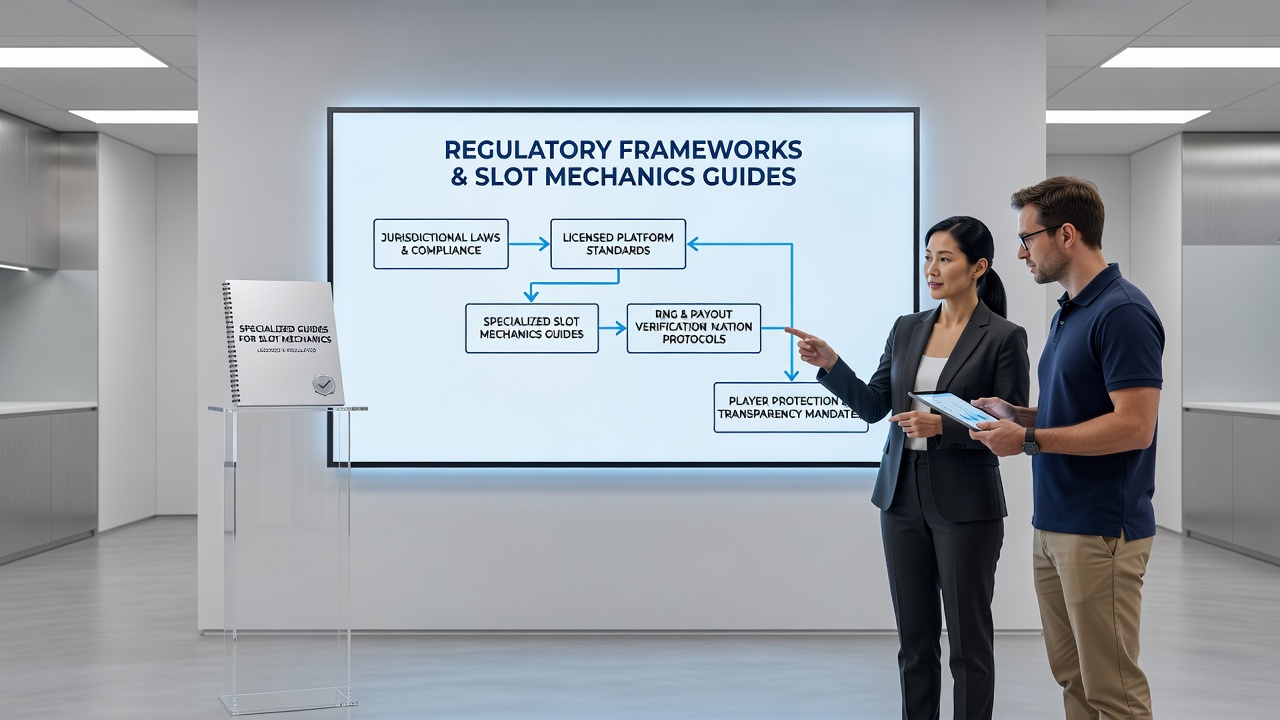
How Regulatory Frameworks Guide the Creation of Specialized Guides for Slot Mechanics at Licensed Platforms
Regulatory frameworks establish clear standards that licensed platforms must follow when developing specialized guides for slot mechanics, and these rules focus on transparency in random number generation, return-to-player percentages, and volatility metrics. Authorities in multiple jurisdictions require operators to produce materials that explain how slot features function without misleading players about odds or payout structures, while data from industry reports shows that such guides reduce disputes over game outcomes by providing standardized explanations. Experts note that frameworks often specify the format and content of these guides, including diagrams of reel configurations and bonus trigger probabilities, so platforms create resources that align with fairness testing protocols conducted by independent laboratories.
Core Requirements from Licensing Bodies
Licensing authorities across regions mandate that guides detail the technical specifications of slot mechanics because regulations demand verifiable information on how symbols align and how progressive jackpots accumulate; this approach stems from rules set by bodies like the Nevada Gaming Control Board, which outline documentation standards for electronic gaming devices. Operators compile these guides by referencing audit reports that verify compliance, and the process involves cross-checking each mechanic against approved software versions before publication. Researchers at academic institutions have examined these processes and found that structured guides improve player understanding of hit frequencies, whereas incomplete documentation leads to regulatory scrutiny and potential license reviews.
Documentation Standards in Practice
Platforms integrate regulatory directives into guide creation by listing exact parameters for each slot title, such as reel strip configurations and symbol weighting, because frameworks require this level of detail to prevent ambiguity in player communications. Those who review compliance records observe that updates to these guides occur whenever game software receives certification, and the revisions incorporate new testing data from accredited labs. In September 2026 several jurisdictions plan to introduce enhanced digital reporting requirements that will further shape how operators format mechanic explanations for mobile and desktop interfaces.
Regional Variations in Guide Development
Different regulatory environments produce distinct approaches to slot guide content, with North American frameworks emphasizing detailed RTP tables while European standards often highlight consumer protection disclosures on autoplay functions and loss limits. Industry associations compile comparative analyses that demonstrate how these variations influence the depth of technical explanations provided to players, and operators adjust their materials accordingly to maintain multi-jurisdictional licenses. A report from the Australian Institute of Criminology highlights patterns where precise mechanic documentation correlates with higher compliance scores during routine inspections.
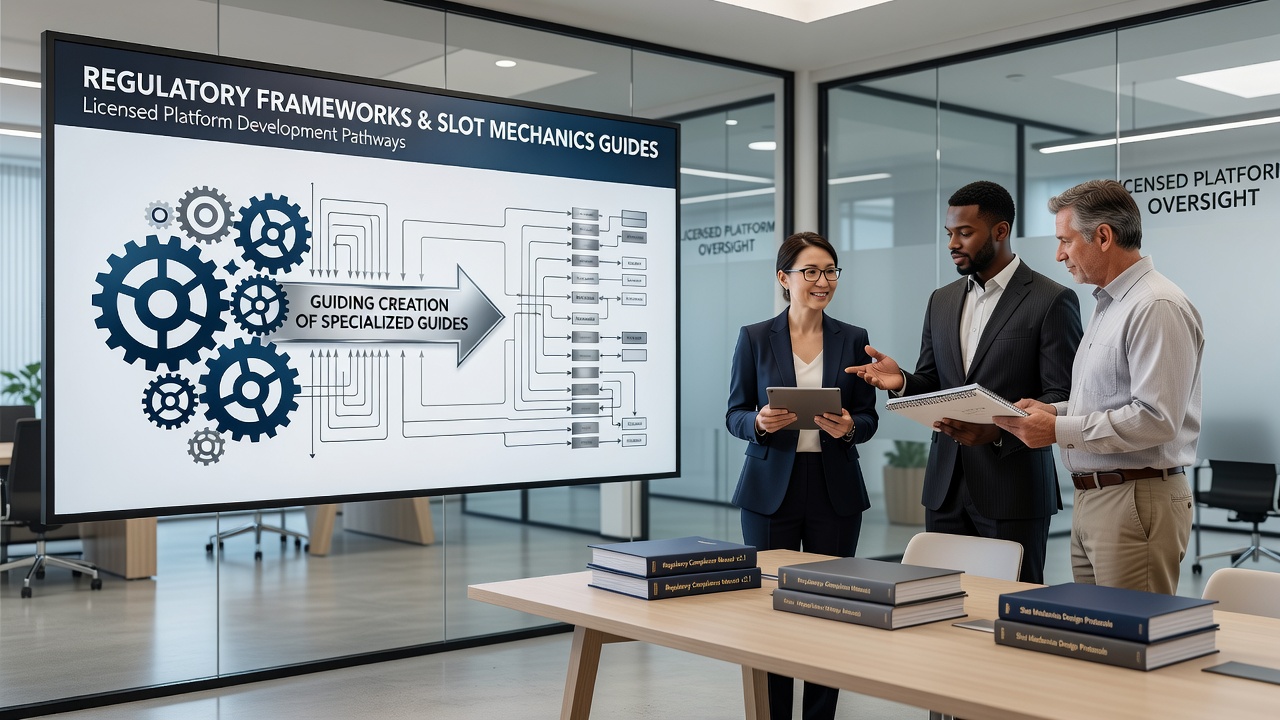
Frameworks also direct the inclusion of risk disclosure sections within guides because regulators seek to inform players about variance levels that affect session outcomes over time. Platforms therefore structure content around both educational and compliance goals, connecting technical specifications with practical examples of game behavior drawn from certified simulations. Observers note that this dual focus helps licensed sites meet evolving expectations around responsible gaming information delivery.
Technical Integration and Update Processes
Specialized guides incorporate data from certified random number generators and payout verification systems, and regulatory timelines require platforms to refresh these resources whenever mechanics receive modifications or new titles enter the catalog. Compliance teams coordinate with software providers to extract accurate figures on bonus round frequencies and multiplier ranges, then present the information in accessible formats that satisfy both regulatory and user needs. Evidence from gaming technology conferences indicates that automated systems now assist in generating preliminary drafts, although human review remains essential to confirm alignment with current licensing conditions.
Future Adjustments Anticipated in 2026
Regulatory updates scheduled for September 2026 will likely expand requirements for interactive elements within guides, allowing players to simulate basic slot outcomes based on disclosed parameters while maintaining strict controls against any implication of predictable results. Platforms have begun preparing template revisions that accommodate these changes, drawing from existing frameworks in Canada and Australia that already encourage supplementary visual aids. The result is a continued evolution of documentation practices that prioritize clarity without introducing unsubstantiated claims about game performance.
Conclusion
Regulatory frameworks shape the creation of specialized slot mechanic guides by setting mandatory content standards, verification procedures, and update schedules that licensed platforms must observe across jurisdictions. These rules ensure consistent presentation of technical details such as RTP calculations and feature probabilities, supported by independent testing and periodic compliance reviews. As requirements develop through 2026 and beyond, platforms maintain alignment by integrating new directives into existing documentation workflows.